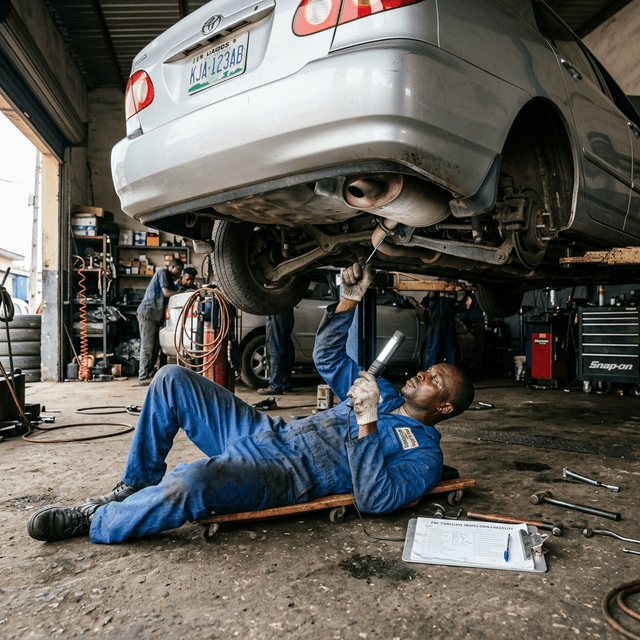
Nigerian Car Buyer's Dictionary: Every Term You Need to Know (Tokunbo, Belgian, First Body & More)
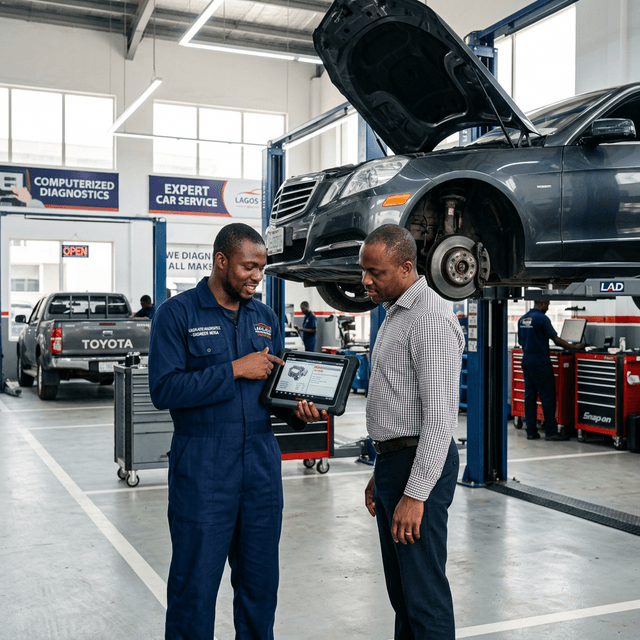
Confused by Nigerian car market lingo? This A–Z glossary explains every term you'll hear - from tokunbo and Belgian to first body, Cotonou car, and more. Know what you're buying before you pay.
Walk into any car market in Berger, Ladipo, or Enugu and you'll hear a language that textbooks don't teach. Dealers talk fast. Terms fly around. And if you don't know the difference between a tokunbo and a Cotonou car, you could pay a premium price for a problem vehicle.
This glossary is your cheat sheet. Every major term used in the Nigerian car market, explained plainly.
B
Belgian (also: "Belgium Car")
What it means: A used car imported from Belgium - or any car that passed through Belgian ports before reaching Nigeria.
Belgium is one of Europe's major vehicle export hubs. Cars from Germany, France, the Netherlands, and elsewhere are often shipped through Belgian ports (particularly Antwerp and Zeebrugge) to West Africa.
The myth: Dealers often use "Belgian" as a quality badge, implying these cars are meticulously maintained by conservative European owners. This is not always true.
The reality: "Belgian" only tells you where it was shipped from - not its condition, history, or mileage. Always request a European vehicle history report (carVertical or AutoDNA) for any car described this way.
Honest use: A legitimate Belgian car should come with European registration papers, possibly a VIN-traceable service history, and a consistent chassis number across documents.
Berger (as in "Berger cars")
What it means: The Berger area of Lagos (along the Lagos-Ibadan Expressway in Ikeja) is one of Nigeria's largest open-air car markets. When someone says "I bought it from Berger," they mean this location.
Other major car markets include Ladipo (spare parts and some vehicles), Trade Fair Complex (Lagos), Wuse Market (Abuja), and New Market (Enugu).
C
Clean Car
What it means: A car in excellent cosmetic and mechanical condition - low mileage, no visible damage, well-maintained, and fully functional.
Context: "Clean" is subjective. Always verify what the dealer means. Ask specifically about accident history, engine work done, and service records.
Cotonou Car (also: "Cotonou Tokunbo")
What it means: A used vehicle that has been imported into Nigeria through the Republic of Benin (Cotonou is Benin's economic capital) rather than through official Nigerian ports.
Cotonou has historically had lower customs duties and less strict import regulations than Nigeria. Many vehicles - some of which cannot be officially imported into Nigeria due to age restrictions - enter through this route.
The concern: Cotonou cars may:
- Lack proper Nigerian Customs clearance papers
- Have unclear or altered ownership history
- Be older than the legally permitted import age (currently vehicles older than 15 years cannot be officially imported into Nigeria)
- Be priced lower precisely because of these documentation gaps
What to do: If a seller mentions a Cotonou vehicle, ask specifically for customs clearance documents and verify the chassis number against official records.
F
First Body
What it means: A car that has never been in an accident and retains its original factory bodywork - no panel replacements, no repairs, no filler work done.
Why it matters: First body vehicles command a price premium because they haven't experienced structural stress from collisions.
How to verify: Do the magnet test across all body panels. Factory steel strongly attracts magnets; body filler does not. Also check panel gap consistency - uneven gaps around doors and bonnets suggest bodywork has been done.
Opposite terms: "Repanelled," "accident repair," or simply "it's been fixed" all indicate the car is not first body.
Foreign Used (also: "Tokunbo")
What it means: A vehicle that was previously registered and used in another country before being imported into Nigeria. Used interchangeably with tokunbo.
Subcategories:
- Direct foreign used - imported directly by the current seller, often with original documents
- Nigerian used foreign - the car was imported some time ago and has since been resold within Nigeria multiple times
G
Grade (Auction Grade)
What it means: A score given to a vehicle at a Japanese auction house, rating its overall condition. Common grades:
| Grade | Meaning |
| - - - -| - - - - -|
| S or 6 | Excellent / near-new condition |
| 5 | Very good - minimal wear |
| 4.5 | Good - minor issues |
| 4 | Average - some wear or minor defects |
| 3.5 | Below average - noticeable defects |
| 3 | Poor - significant issues |
| R | Accident repair history |
| RA | Repaired accident damage |
Why it matters: Grade 4.5 and above is generally considered acceptable for import. Grade R/RA cars have been in accidents - be very careful.
Where to find it: Legitimate importers from Japan should be able to provide the original auction sheet for the vehicle, which includes the grade, inspector's notes on condition, and mileage at time of sale.
H
Head Gasket
Technically not a market slang term - but mentioned constantly in car inspections. The head gasket seals the engine block and cylinder head. When it fails (a common and expensive problem), oil and coolant mix. Signs include:
- White smoke from the exhaust
- Milky/frothy oil on the dipstick
- Engine overheating
- Coolant disappearing without visible leaks
A head gasket replacement in Nigeria costs ₦200,000–₦600,000 depending on the vehicle. This is the fault dealers are most likely to hide.
I
Ibo (as in "Ibo car")
What it means (informal): In some regional parlance, vehicles imported through Nnewi, Onitsha, or Southeast Nigeria import routes are called "Ibo cars." This is informal and not a reliable quality indicator either way.
Nnewi is also Nigeria's spare parts capital, with a large concentration of auto parts importers.
J
Japan Used
What it means: A vehicle imported from Japanese auction houses. Japan-used tokunbo vehicles are highly regarded in Nigeria for their reliability, maintenance records, and relatively low mileage.
Japanese car culture emphasises regular servicing. Many Japanese owners replace vehicles every few years - even when they're still in excellent condition - due to Japan's strict motor vehicle inspection system (Shaken).
Verification: Ask for the original Japanese auction sheet. It will show the vehicle's mileage, grade, and inspector's remarks in Japanese (with English grading).
L
Leather (as in "full leather interior")
Often used as a selling point. Note that many dealers install aftermarket leather interiors on cars that originally came with fabric seats. Factory leather and aftermarket leather look different - factory leather has stitching patterns that match the car's design exactly, and will have manufacturer markings on the material.
M
Mechanic Tested (also: "Tested and Trusted")
What a dealer means: The car was looked at by their mechanic and found acceptable.
What you should do: Get your own mechanic to test it. "Mechanic tested" by the seller's mechanic is not independent verification.
Mileage Roll-back (also: "Clocking")
What it means: The odometer has been deliberately altered to show lower mileage than the car has actually travelled. This is fraud.
How to detect it: Compare the claimed mileage against physical wear indicators - pedal rubber, steering wheel leather, seat fabric, and door handle plastics. A car claiming 60,000 km should have relatively fresh-looking pedals; heavy pedal wear on a "low mileage" car is a red flag.
N
Nigerian Used (also: "Naija used" or "locally used")
What it means: A car that has been registered and used within Nigeria - as opposed to a tokunbo (imported used car). Nigerian-used vehicles vary widely in condition depending on how they were maintained.
Considerations:
- Nigerian roads are hard on vehicles (potholes, flooding, dust)
- Fuel quality in Nigeria can affect engines over time
- Many Nigerian-used vehicles have had maintenance done by roadside mechanics of varying skill
- Nigerian-used vehicles are typically cheaper than equivalent tokunbo cars
O
OBD2 (On-Board Diagnostics)
Not market slang, but a term you need to know. OBD2 is the standard diagnostic port present on virtually all vehicles made after 1996. A mechanic plugs a scanner into this port to read engine fault codes.
Always request an OBD2 scan before buying any car. It takes 5 minutes and reveals hidden fault codes that the engine light may not currently be showing (because some dealers clear the codes before sale).
P
Papers (as in "complete papers")
What it means: The full documentation package for a vehicle:
- Proof of ownership (vehicle registration document in the seller's name)
- Customs clearance certificate (for imported vehicles)
- Road worthiness certificate
- Insurance certificate
- Plate number assignment
Important: Verify that the name on ownership papers matches the seller. If they don't match, request a deed of assignment documenting the chain of ownership from the name on paper to the current seller.
R
Registered / Unregistered
- Registered: The car has Nigerian plates assigned to it through the FRSC and is legally roadworthy
- Unregistered: The car has not been registered in Nigeria - you will need to complete this process after purchase, which involves a fee
Unregistered cars are sometimes sold cheaper. Factor in registration costs (₦30,000–₦80,000+ depending on state and vehicle category) when calculating the true cost.
S
Shaken (シャケン)
Japanese motor vehicle inspection system. Every vehicle in Japan must pass this rigorous government inspection every two years. Cars often get sold just before a Shaken is due - which is why Japan produces so many well-maintained, relatively low-mileage export vehicles.
When a Japanese-used car has "passed Shaken recently" in its auction notes, it's a genuine quality signal.
T
Tokunbo
What it means: The most important word in the Nigerian car market. Tokunbo (Yoruba: "from overseas" or "returned from overseas") refers to a used vehicle that was previously registered and used in another country before being imported into Nigeria.
It is used interchangeably with "foreign used."
Common origins of tokunbo cars in Nigeria:
- Japan (via Cotonou or Lagos port)
- United States and Canada (right-hand drive conversions are rare; most US cars are left-hand drive)
- United Kingdom (right-hand drive)
- Belgium, Netherlands, Germany (via Cotonou or directly)
- UAE (some vehicles)
Tokunbo ≠ guaranteed quality. Condition, mileage, accident history, and maintenance records matter far more than origin country.
Tokumbo (alternate spelling)
A common alternate spelling of tokunbo - same meaning.
V
VIN (Vehicle Identification Number)
A 17-character unique code assigned to every vehicle at the factory. The VIN encodes the manufacturer, model year, production plant, and serial number.
Where to find it:
- Dashboard (visible through the windshield on the driver's side)
- Driver's side door jamb (on a sticker or stamped into the metal)
- Engine bay (stamped or on a plate)
- Vehicle registration documents
Critical check: All three locations must show the same VIN. A mismatch is a serious red flag - it can indicate the vehicle is stolen, rebodied, or has had its identity altered.
W
Waka-Waka Car
Informal meaning: A car used for long-distance travel or as a commercial vehicle (taxi, transport). Waka-waka cars tend to have very high mileage relative to their age. The term is used as a warning - implying a vehicle that has been driven hard.
Quick Reference Table
| Term | Short Definition |
| - - - | - - - - - - - - -|
| Tokunbo | Foreign used car imported into Nigeria |
| Belgian | Car shipped via Belgian ports (not a quality guarantee) |
| First body | Original bodywork, no accident damage or panel replacement |
| Cotonou car | Imported through Benin Republic, often informally |
| Grade | Japanese auction condition score (5 = very good, R = accident repair) |
| Nigerian used | Previously registered and used within Nigeria |
| OBD2 | Engine diagnostic scan port - always request this test |
| VIN | Vehicle Identity Number - must match across car and documents |
| Clocking | Odometer fraud - mileage rolled back illegally |
| Complete papers | Full ownership + customs + roadworthiness documentation |
| Shaken | Japanese government vehicle inspection - signals good maintenance |
| Waka-waka | High-mileage commercial use vehicle |
Know Before You Buy
Understanding these terms is your first line of defence in the Nigerian car market. The second line is buying from a verified, trusted source.
Every car listed by a verified Mottars dealer comes with:
- ✅ Full specs displayed - mileage, condition, fuel type, transmission
- ✅ Verified dealer badge backed by Mottars' screening process
- ✅ Direct contact via WhatsApp or in-app messaging
- ✅ Ability to request independent inspection before purchase
Browse verified cars on Mottars →
Request a specific car on Mottars →
This glossary is maintained by the Mottars Editorial Team. Have a term we should add? Send it to us.
Related articles
Tinted Glass Permit and Number Plate Rules in Nigeria (2026): What Every Car Owner Needs to Know

Nigeria Customs VIN Valuation System: How to Calculate Your Car Clearing Cost Online

How to Verify a Tokunbo Car's History & Specs for Free Using its VIN

10 Car Dealer Lies Every Nigerian Buyer Must Know (And How to Protect Yourself)